The Sun
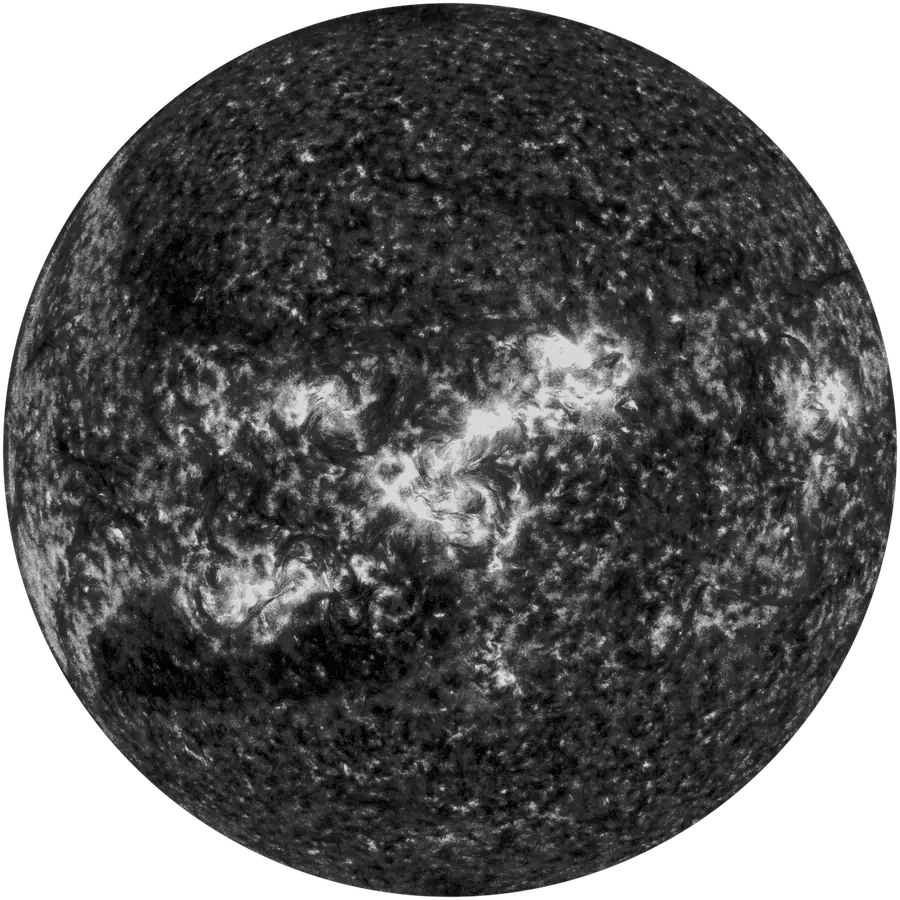
Pisces
23°30'
From the ephemeris (Meeus), for the birth minute
Big Three Calculator
Three placements, three different things.
Pisces
23°30'
From the ephemeris (Meeus), for the birth minute
Libra
26°02'Waning gibbous, 92 percent lit
From the ephemeris (Meeus), for the birth minute; the phase from the angle between the Sun and the Moon
Cancer
02°00'
From the ephemeris (Meeus), for the birth minute; the ecliptic met the horizon at 28 degrees
The example: 14 March 1990, 10:30, Vilnius. Yours replaces it.
Sun photograph: NASA, STEREO, in extreme ultraviolet, shown in grey. Moon photograph: NASA, Apollo 11. NASA does not endorse Horospire.
Three objects, three clocks: the Sun changes sign about once a month, the Moon about every two and a quarter days, the rising sign within the hour. The page draws each as itself: the Sun, the Moon lit as it was, and the eastern horizon.
written: how the drawing is made
One birth gives three placements here: the sign the Sun was in, the sign the Moon was in, and the sign rising on the eastern horizon, the Ascendant. Each comes with its degree, from the ephemeris (Meeus).
The three run on three clocks. The Sun's sign is set by the date and holds for about a month; the Moon's is set by the day, and on a little under half of all days, about 160 a year, by the hour; the rising sign is set by the minute and the place. Without a birth time the page gives the Sun and the Moon for the whole local day and the signs that rose through it.
The big three are three placements of a birth chart, not the whole of it.
Three clocks: from the ephemeris (Meeus); the rising times for the example's place, Vilnius.
This free Big Three calculator gives three placements from one birth: the Sun's sign, the Moon's sign and the sign rising on the eastern horizon (the Ascendant), each with its degree, from the ephemeris (Meeus). The Moon sign calculator and the rising sign calculator draw two of them on their own: the Moon on the ring of the twelve signs, and the eastern horizon with the day's whole sequence of rising signs.
Three placements of one birth: the Sun's sign, the Moon's sign and the rising sign. The Sun's sign is set by the date and holds for about a month. The Moon's sign is set by the day, and on a little under half of all days, about 160 a year, by the hour. The rising sign is set by the minute and the place: at the example's latitude Aries rises in 44 minutes and Leo takes almost three hours. In astrological tradition the three are read as being, feeling and seeming.
No. The big three are three placements of a birth chart. The birth chart calculator draws the whole chart: every planet to Pluto and the Moon's North Node, the twelve houses and the aspects between them.
Yes, for a birth near a sign's edge. The changeover from one sign to the next moves by up to a day from year to year, so a table of dates cannot place every birthday on an edge. This page reads the Sun's degree for the birth itself; without a birth time it gives the minute the Sun changed sign, if it did that day.
Choose that you do not know it. The page still gives the Sun and the Moon for the whole local day, with the minute the Moon changed sign if it did, and draws which signs rose through that day at the birthplace. The rising sign itself needs the time.
The positions come from Meeus's algorithms and agreed with the Swiss Ephemeris within about two arcminutes for the example birth in an independent check. Inside the polar circles the rising sign is not defined for every minute, and the page says so.